




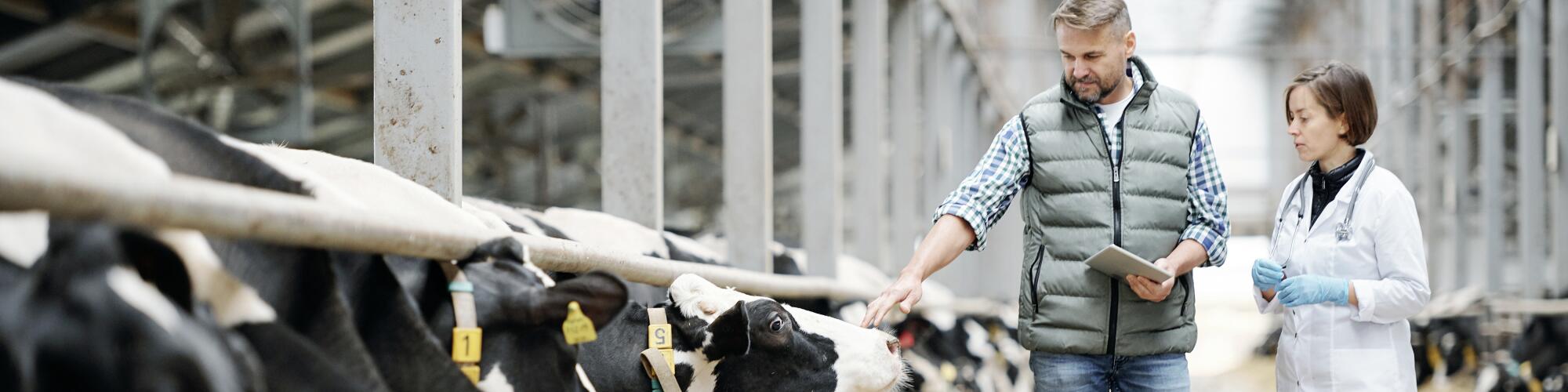
Giardia duodenalis (cattle/calf)
Pathogen / Biology
Giardia duodenalis is a single-celled small-intestine parasite with a two-phase life cycle: vegetative trophozoites colonize the small intestine, while environmentally resistant cysts are shed in the feces and represent the persistent infectious form.
Transmission / Epidemiology
Transmission occurs via the fecal-oral route through the ingestion of cysts. In young ruminants, Giardia duodenalis is a common intestinal finding and is predominantly subclinical.
Course & Symptoms
A causal role in acute neonatal calf diarrhea has not been established. An association with chronic, mucous diarrhea and reduced weight gain has been described in individual animals. Giardia frequently occurs in conjunction with other enteropathogenic pathogens.
Diagnostic Relevance
Detection of this pathogen expands the range of pathogens investigated in cases of diarrhea. Given its frequently subclinical nature, a positive result must be evaluated within the clinical context and in conjunction with other findings.
Rapid Test Component
The Fassisi® BoDia + Gia and BoDia Advanced MPX tests detect Giardia duodenalis alongside other calf diarrhea pathogens in calf feces, thereby enabling the differentiation between single and mixed infections from a single sample.
An overview of the sources used can be found here.
Animal Types

Cow/Calf