




Tetanus (AK titer) (Horse)
A tetanus infection is always caused by a prior injury. The wounds do not necessarily have to be open; even barely visible injuries are dangerous and can trigger an infection. The wound infection is caused by the bacterium Clostridium tetani. Spores—usually in combination with contaminants or foreign bodies—enter the skin and begin to produce toxins.
The course of the disease ranges from spasms of the skeletal muscles to respiratory paralysis and is extremely painful for the animal. The disease is almost always fatal. The only effective way to prevent tetanus infection is through preventive vaccination. A strict and consistent vaccination program, starting in the first months of life, can provide the highest possible protection against tetanus infection.
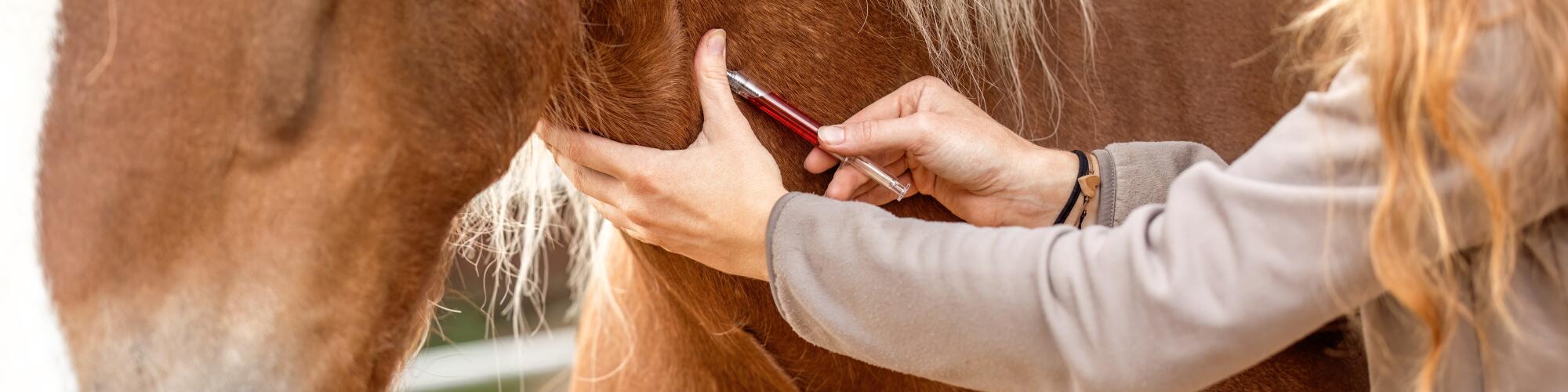
The Fassisi® TetaCheck is used to monitor tetanus antibody titers in serum, plasma, and whole blood samples from horses. By monitoring antibody titers, veterinarians can determine the existing antibody protection within minutes right on-site and implement efficient vaccination management. This optimal timing of vaccination allows for individualized vaccination.
Clostridium tetani is a Gram-positive, anaerobic, spore-forming rod-shaped bacterium. It is ubiquitous in the soil and in the intestinal tracts of animals and humans; its spores are exceptionally resistant to environmental conditions and remain infectious for years. If spores enter a wound and encounter anaerobic conditions—such as those found in necrotic tissue and deep puncture wounds—they germinate and produce the neurotoxin tetanospasmin.
Tetanus is not an infection transmissible from animal to animal, but rather a wound infection followed by toxin-mediated effects. Horses are among the most susceptible species. The disease occurs worldwide, with a higher incidence in warmer regions and on cultivated soils where the pathogen is widespread.
The tetanospasmin produced binds to peripheral nerve endings and travels retrograde along the nerve pathways into the central nervous system, where it blocks the release of inhibitory neurotransmitters. The result is uninhibited muscle activity with generalized rigidity, paroxysmal spasms, and increased sensitivity to stimuli. Characteristic signs in horses include masticatory muscle spasms with difficulty eating, prolapse of the nictitating membrane, and a stiff, sawhorse-like posture; as the disease progresses, respiratory paralysis may occur. The case-fatality rate is high, particularly if treatment is delayed.
The diagnosis is usually made clinically based on the typical symptoms and a history of a previous injury. Since causal treatment is limited and the prognosis is serious, prevention is the primary focus: Tetanus can be reliably prevented through vaccination. Monitoring antibody levels allows for the assessment of existing vaccine protection and the determination of an individualized vaccination schedule.
The Fassisi® TetaCheck detects tetanus antibodies in a horse’s serum, plasma, or whole blood, thereby supporting the assessment of vaccination protection and the decision regarding a booster vaccination. This is a test for antibody or vaccination status; it is not a test for the pathogen or toxin itself, nor is it an acute diagnostic test.
References: Sources page.
Animal Types

Horse/Foal